

How to Select the Appropriate Die for PVC Twin Screw Extrusion
As a reputable PVC twin screw supplier, I understand the critical role that selecting the right die plays in the PVC twin screw extrusion process. The die is a key component that determines the shape, size, and quality of the extruded PVC products. In this blog post, I will share some insights on how to select the appropriate die for PVC twin screw extrusion.
Understanding the Basics of PVC Twin Screw Extrusion
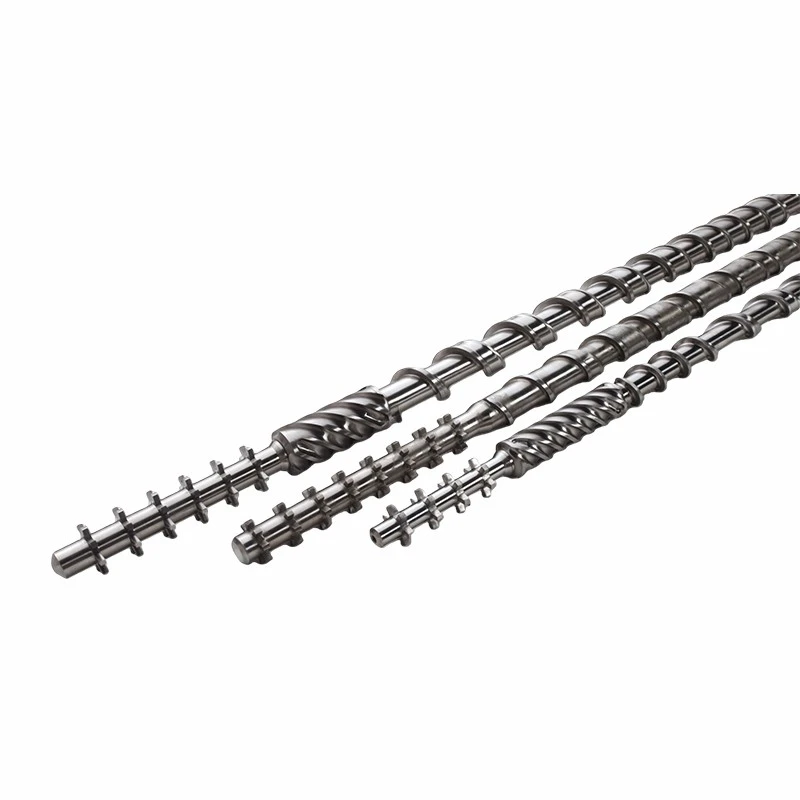
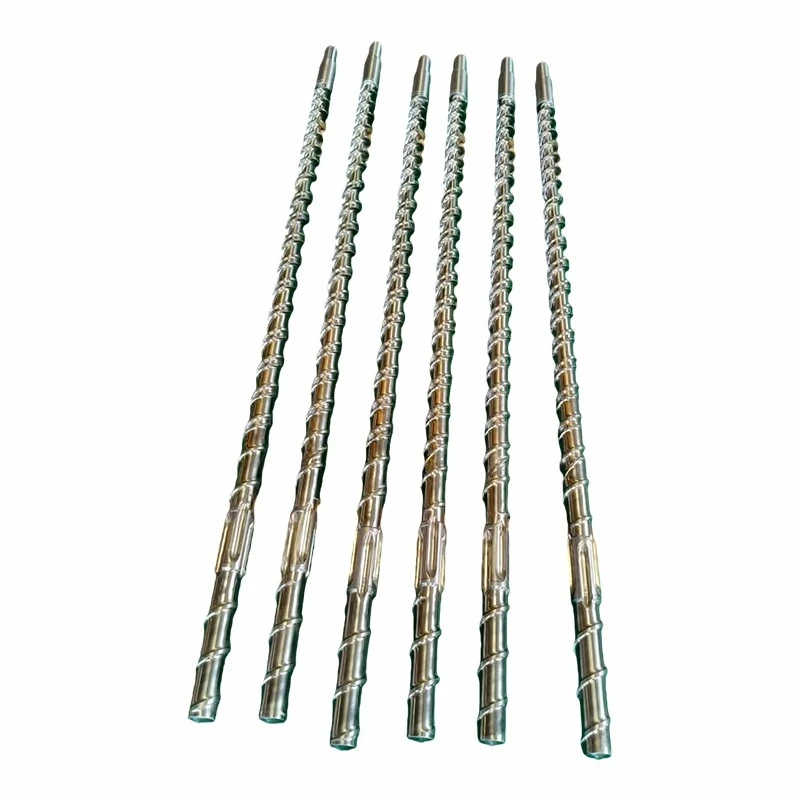
Before delving into die selection, it's essential to have a basic understanding of PVC twin screw extrusion. PVC twin screw extruders are widely used in the plastic processing industry to produce various PVC products, such as pipes, profiles, and sheets. The twin screw design provides better mixing, conveying, and melting capabilities compared to single screw extruders, resulting in higher production efficiency and better product quality.
The extrusion process involves feeding PVC resin and additives into the extruder, where they are melted and mixed by the rotating screws. The molten PVC is then forced through a die, which shapes the material into the desired form. The die is essentially a tool with a specific cross-sectional shape that determines the final shape of the extruded product.
Factors to Consider When Selecting a Die
- Product Requirements
- Shape and Size: The first step in die selection is to determine the shape and size of the desired PVC product. Whether you are producing pipes, profiles, or sheets, the die must be designed to create the exact cross-sectional shape and dimensions. For example, if you are manufacturing PVC pipes, the die should have a circular cross-section with the appropriate inner and outer diameters.
- Wall Thickness: The wall thickness of the extruded product is another important consideration. The die must be able to produce a consistent wall thickness throughout the length of the product. This requires careful design and precise manufacturing to ensure that the molten PVC flows evenly through the die.
- Surface Finish: The surface finish of the extruded product is also crucial, especially for applications where aesthetics are important. The die should be designed to produce a smooth and uniform surface finish. This may involve using special coatings or polishing techniques on the die surface.
- Material Compatibility
- PVC Resin Type: Different types of PVC resins have different properties, such as melt flow index, viscosity, and thermal stability. The die must be compatible with the specific PVC resin being used to ensure proper extrusion. For example, some PVC resins may require a higher processing temperature or a different die design to achieve optimal results.
- Additives: PVC products often contain additives, such as stabilizers, lubricants, and pigments, to improve their performance and appearance. The die must be able to handle these additives without causing any issues, such as clogging or degradation.
- Extruder Capacity and Speed
- Throughput: The die must be able to handle the throughput of the extruder. This means that the die should have a sufficient flow area to allow the molten PVC to pass through at the desired rate. If the die is too small, it can cause backpressure and reduce the production efficiency. On the other hand, if the die is too large, it may result in inconsistent product quality.
- Extrusion Speed: The extrusion speed also affects the die selection. Higher extrusion speeds require a die design that can maintain a stable flow of molten PVC. This may involve using a die with a more streamlined shape or a higher number of flow channels.
- Cost and Maintenance
- Initial Cost: The cost of the die is an important consideration, especially for small and medium-sized businesses. While it's important to choose a high-quality die, it's also necessary to balance the cost with the performance requirements. Some dies may be more expensive due to their complex design or the use of high-quality materials.
- Maintenance Requirements: The die requires regular maintenance to ensure its proper functioning and longevity. This includes cleaning, inspection, and occasional repairs. The die design should be easy to clean and maintain, and the replacement parts should be readily available.
Types of Dies for PVC Twin Screw Extrusion
- Pipe Dies
- Pipe dies are used to produce PVC pipes of various diameters and wall thicknesses. They typically consist of a mandrel and a die body, which together form the circular cross-section of the pipe. Pipe dies can be designed for different types of pipes, such as pressure pipes, drainage pipes, and electrical conduit pipes. Pvc Pipe Twin Screw
- Profile Dies
- Profile dies are used to produce PVC profiles with complex cross-sectional shapes, such as window frames, door frames, and decorative moldings. These dies are custom-designed to meet the specific requirements of the product. Profile dies often require a more precise design and manufacturing process to ensure the accuracy of the shape and dimensions.
- Sheet Dies
- Sheet dies are used to produce PVC sheets of various thicknesses and widths. They typically have a wide and flat cross-section to allow the molten PVC to spread evenly. Sheet dies can be designed for different types of sheets, such as rigid sheets, flexible sheets, and foam sheets.
Working with a Professional Die Manufacturer
Selecting the appropriate die for PVC twin screw extrusion can be a complex process. It's often beneficial to work with a professional die manufacturer who has experience in designing and manufacturing dies for PVC extrusion. A professional die manufacturer can provide valuable advice on die selection, design, and manufacturing, and can ensure that the die meets your specific requirements.
When choosing a die manufacturer, it's important to consider their reputation, experience, and capabilities. Look for a manufacturer who has a proven track record of producing high-quality dies for PVC extrusion. You can also ask for references and samples of their previous work to evaluate their quality and performance.
Conclusion
Selecting the appropriate die for PVC twin screw extrusion is a critical step in the production process. By considering factors such as product requirements, material compatibility, extruder capacity and speed, and cost and maintenance, you can choose a die that will produce high-quality PVC products efficiently. Working with a professional die manufacturer can also help you ensure that the die meets your specific needs.
If you are in the market for PVC twin screw extrusion equipment or need assistance with die selection, please feel free to contact us. We are a leading PVC twin screw supplier with extensive experience in the industry. Our team of experts can provide you with the guidance and support you need to make the right decisions for your business.
References
- Smith, J. (2020). PVC Extrusion Technology. Wiley.
- Jones, A. (2019). Die Design for Plastic Extrusion. Elsevier.
- Brown, C. (2018). Twin Screw Extrusion: Principles and Practice. CRC Press.


