

Bimetallic screws are integral components in many industrial applications, especially in the plastic processing industry. As a bimetallic screw supplier, I've witnessed firsthand how these screws perform under various weather conditions. Understanding their reaction to different climates is crucial for ensuring optimal performance and longevity.
Impact of Temperature on Bimetallic Screws
Temperature is one of the most significant factors that can affect bimetallic screws. In hot weather, the expansion of metals becomes a critical concern. Bimetallic screws are composed of two different metals with distinct coefficients of thermal expansion. When exposed to high temperatures, the metals expand at different rates. This differential expansion can lead to stress within the screw.
For instance, in regions with extremely hot summers, the outer layer of the bimetallic screw may expand more rapidly than the inner core. This can cause the screw to warp or even crack over time. If the temperature exceeds the design limits of the bimetallic combination, the integrity of the screw can be compromised. This is particularly problematic in applications where precision is key, such as in injection molding machines.
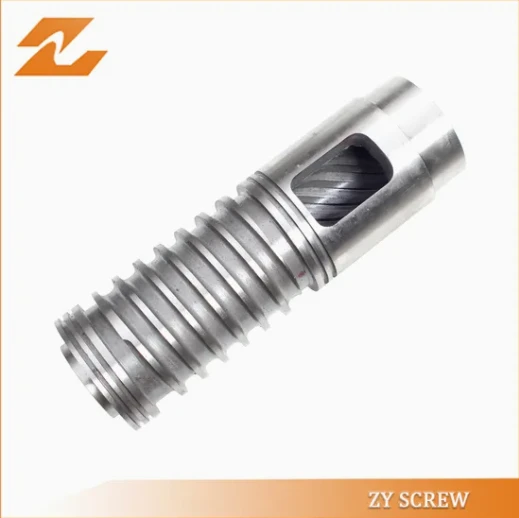

On the other hand, cold weather presents its own set of challenges. In cold temperatures, metals contract. The bimetallic screw may experience a reduction in its overall dimensions. This contraction can lead to loosening of the screw in its housing, which can result in misalignment and reduced efficiency. In some cases, the cold can also make the metals more brittle, increasing the risk of breakage.
Humidity and Corrosion
Humidity is another weather condition that can have a significant impact on bimetallic screws. High humidity levels can lead to corrosion, especially if the bimetallic materials are not properly protected. When the two different metals in the screw come into contact with moisture, an electrochemical reaction can occur. This reaction can cause the metals to corrode at different rates, leading to pitting and degradation of the screw surface.
In coastal areas, where the air is often laden with saltwater, the risk of corrosion is even higher. Saltwater is a highly conductive medium that can accelerate the electrochemical corrosion process. As a result, bimetallic screws used in these environments need to be coated or treated to prevent corrosion. Specialized coatings can act as a barrier between the metals and the corrosive environment, extending the lifespan of the screw.
Extreme Weather Events
Extreme weather events, such as hurricanes, tornadoes, and heavy storms, can also affect bimetallic screws. These events can subject the screws to sudden and intense forces. For example, strong winds can cause vibrations in the machinery where the bimetallic screws are installed. These vibrations can lead to fatigue in the screw, increasing the likelihood of failure.
Heavy rainfall can also pose a problem. If the machinery is not properly protected, water can seep into the components and cause corrosion. Additionally, the water can wash away any protective coatings on the bimetallic screws, leaving them vulnerable to further damage.
Mitigating the Effects of Weather Conditions
As a bimetallic screw supplier, I understand the importance of providing solutions to mitigate the effects of different weather conditions. One approach is to select the appropriate bimetallic materials based on the expected climate. For example, in hot and humid environments, materials with high corrosion resistance should be used.
Another solution is to apply protective coatings to the bimetallic screws. These coatings can provide a barrier against moisture and prevent corrosion. There are various types of coatings available, such as epoxy coatings and zinc coatings, each with its own advantages and disadvantages.
Regular maintenance is also crucial. Inspecting the bimetallic screws for signs of wear, corrosion, or damage can help identify potential problems early on. If any issues are detected, the screws can be repaired or replaced before they cause significant damage to the machinery.
Applications and Performance
Bimetallic screws are used in a wide range of applications, including Bimetallic Single Screw For Blowing Molding Machine (Dia15 - 300mm) and other plastic processing equipment. In these applications, the performance of the bimetallic screw is directly related to the quality of the final product.
Under different weather conditions, the performance of the bimetallic screw can vary. In hot weather, the screw may need to work harder to maintain the same level of efficiency. This can lead to increased energy consumption and reduced productivity. In cold weather, the screw may experience reduced torque, which can affect the molding process.
Importance of Quality and Compatibility
When selecting bimetallic screws, it's essential to consider the quality and compatibility of the materials. High - quality bimetallic screws are more likely to withstand the effects of different weather conditions. They are made from materials that have been carefully selected and tested to ensure optimal performance.
Compatibility is also crucial. The two metals in the bimetallic screw should be compatible with each other and with the environment in which they will be used. For example, if the screw is going to be used in a corrosive environment, the metals should be resistant to corrosion.
Conclusion
In conclusion, bimetallic screws react differently to various weather conditions. Temperature, humidity, and extreme weather events can all have a significant impact on their performance and longevity. As a bimetallic screw supplier, I am committed to providing high - quality products that can withstand these challenges.
If you are in the market for bimetallic screws, Bimetallic Screw and Bimetallic Barrel are excellent options. We have a wide range of products to meet your specific needs. Whether you are in a hot, cold, humid, or corrosive environment, we can provide the right solution for you.
If you have any questions or would like to discuss your requirements, please feel free to contact us. We are here to help you make the best choice for your application.
References
- "Metals and Alloys in Seawater: Corrosion and Prevention" by National Association of Corrosion Engineers.
- "Thermal Expansion of Metals" by American Society for Metals.
- "Plastic Processing Machinery Handbook" by Hanser Publishers.


