

Hey there! As a PVC twin screw supplier, I've been thinking a lot about the environmental impacts of PVC twin screw operation. In this blog, I'll share some insights on this topic and how we can work towards a more sustainable future.
1. Raw Material Extraction and PVC Production
PVC, or polyvinyl chloride, is made from vinyl chloride monomer (VCM). The production of VCM involves the use of chlorine, which is derived from salt through the electrolysis process. This process requires a significant amount of energy, often sourced from non - renewable energy sources like coal or natural gas. The extraction of salt and other raw materials can also lead to habitat destruction and soil degradation in mining areas.
When it comes to the production of PVC itself, the polymerization process to turn VCM into PVC resin is energy - intensive. Moreover, the production of PVC can release various pollutants into the environment. For example, during the production of VCM, there can be emissions of vinyl chloride, which is a known carcinogen. These emissions can contaminate the air, water, and soil in the vicinity of the production facilities.
2. PVC Twin Screw Extrusion Process
The PVC twin screw operation mainly refers to the extrusion process. In this process, PVC resin is melted and shaped into various products. One of the major environmental concerns here is energy consumption. The twin - screw extruders need to heat the PVC resin to a high temperature to make it malleable for extrusion. This heating process typically relies on electricity or fossil fuels, contributing to greenhouse gas emissions.
Another issue is the potential for chemical emissions during extrusion. Additives are often used in PVC processing to improve its properties such as flexibility, heat resistance, and stability. Some of these additives, like phthalates, can be released into the environment during the extrusion process. Phthalates are known endocrine disruptors and can have negative impacts on human health and the environment.
3. Waste Generation
During the PVC twin screw operation, waste is generated at different stages. There can be waste from the trimming of extruded products, as well as defective products that do not meet the quality standards. Disposing of PVC waste is a major challenge. PVC is not easily biodegradable, and when it is landfilled, it can take hundreds of years to break down. Moreover, if PVC waste is incinerated, it can release toxic substances such as dioxins and furans into the atmosphere.
4. Product Lifecycle and End - of - Life
Once the PVC products are made, their environmental impact continues throughout their lifecycle. PVC products are widely used in construction, plumbing, and consumer goods. However, when these products reach the end of their life, proper disposal becomes crucial. As mentioned earlier, landfilling and incineration both have their own environmental drawbacks.
On the positive side, PVC can be recycled. But the recycling process of PVC is complex and costly. It requires sorting, cleaning, and re - processing the PVC waste. Currently, the recycling rate of PVC is relatively low compared to other plastics.
5. Our Efforts as a Supplier
As a PVC twin screw supplier, we are aware of these environmental issues and are taking steps to mitigate them. We are constantly looking for ways to improve the energy efficiency of our twin - screw extruders. For example, we are researching and implementing new technologies that can reduce the energy consumption during the extrusion process.
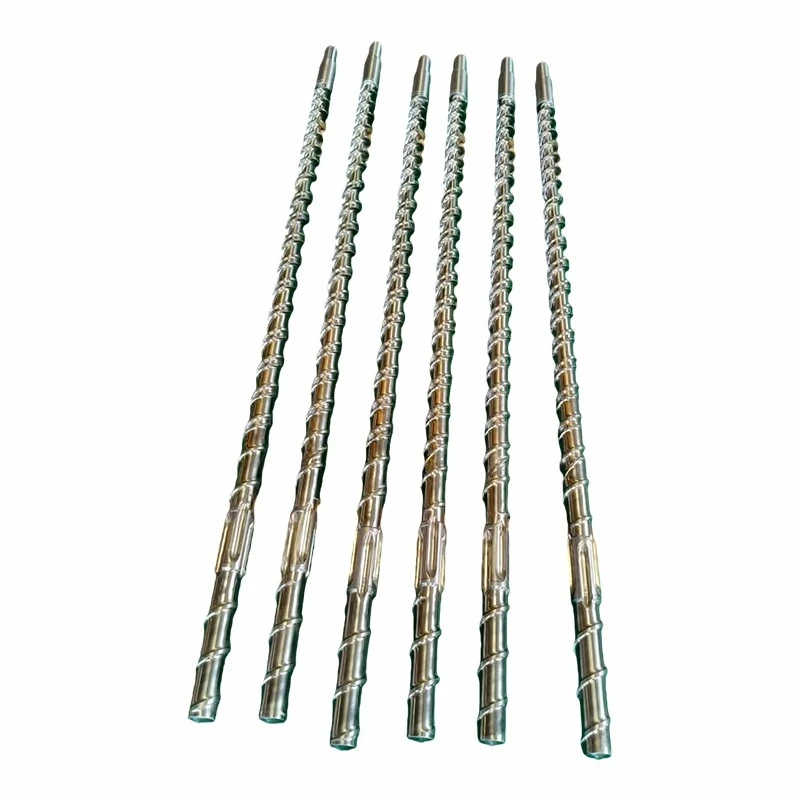

We also encourage our customers to use additives that are more environmentally friendly. By promoting the use of non - toxic and sustainable additives, we can reduce the potential for chemical emissions during the extrusion process.
In addition, we support the recycling of PVC products. We work with recycling facilities to ensure that the PVC waste generated from our operations and our customers' products is properly recycled.
6. Industry - Related Products and Their Links
If you're interested in different types of screw barrels related to PVC processing, here are some useful links. You can check out the Co Rotating Twin Screw Barrel for a high - performance option. For those who might be considering a simpler setup, the Single Screw Plastic Extruder is a good choice. And if you need a more parallel - type solution, the Parallel Twin Screw Barrel could be what you're looking for.
7. Encouraging Contact for Purchase and Discussion
If you're in the market for PVC twin screw products or have any questions about the environmental impacts and how we can work together to make the process more sustainable, don't hesitate to reach out. We're here to discuss your specific needs, offer solutions, and work towards a greener future in the PVC industry.
References
- Smith, J. (2020). Environmental Impacts of Plastic Production. Journal of Environmental Science.
- Brown, A. (2019). PVC Recycling: Challenges and Opportunities. Plastic Waste Management Review.
- Green, C. (2021). Energy Efficiency in Plastic Extrusion Processes. Industrial Energy Journal.


